
FCT Teachers Begin Indefinite Strike Over Unmet Welfare Demands
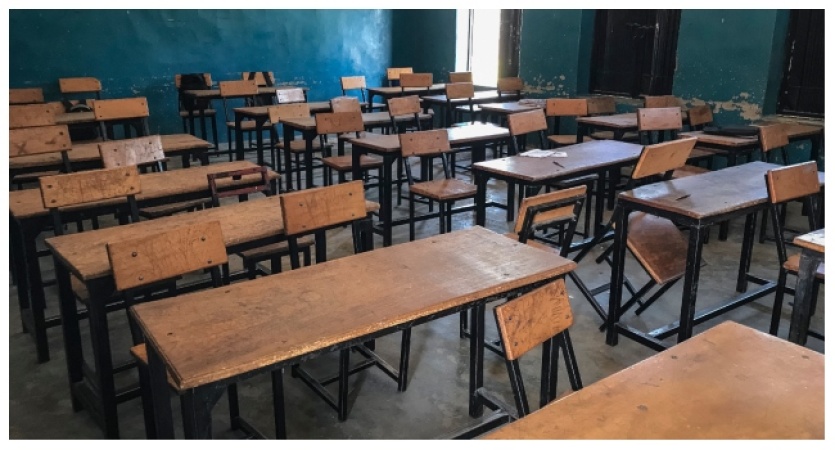
Schools Shut as Teachers Commence Strike
PUBLIC primary and secondary school teachers in the Federal Capital Territory (FCT) have begun an indefinite strike over unresolved welfare and administrative demands, disrupting academic activities across Abuja.
A visit to several schools showed deserted classrooms and empty compounds as teachers complied with the directive issued by the FCT wing of the Nigeria Union of Teachers (NUT). The strike affects schools across the six area councils and is expected to continue until government addresses the union’s grievances.
Why the Teachers Are Striking
The union said the industrial action followed the expiration of a seven-day ultimatum earlier issued to FCT Minister Nyesom Wike, as well as an additional 28-day grace period that reportedly ended without resolution.
Teachers are demanding the release and implementation of a committee report set up in July 2025 to harmonise outstanding entitlements and recommend permanent solutions to recurring disputes involving FCT primary school teachers. The report was submitted in August 2025 but, according to the union, has not been made public.
Partial Progress, Bigger Complaints
Union leaders acknowledged some progress, including implementation of the ₦70,000 minimum wage and payment of nine months’ salary arrears owed to primary school teachers.
However, they insist major issues remain unresolved, including promotion bottlenecks and delayed welfare reforms.
The NUT is also seeking the removal of the “vacancy” condition used as a requirement for promotion of classroom teachers, arguing that it unfairly stalls career progression.
Students and Parents Caught in the Middle
The strike has left thousands of students temporarily out of school, creating anxiety for parents and guardians.
Many families now face sudden childcare and scheduling pressures, while students risk losing valuable instructional time if the dispute continues.
Education analysts warn that repeated industrial disruptions in basic education can weaken learning outcomes, widen inequality and damage confidence in public schools.
Pressure on FCT Administration
The stoppage places fresh pressure on the FCT Administration to negotiate quickly and prevent a prolonged shutdown of public schools in the nation’s capital.
With Abuja serving as Nigeria’s political centre, labour disputes in the territory often attract national attention and become tests of administrative responsiveness.
What Happens Next
Union officials say teachers will remain on strike until concrete action is taken.
For now, classrooms remain empty, and the key question is how quickly dialogue can replace deadlock.
