
Iran Lands In Pakistan For ‘Make-Or-Break’ Talks Amid Fragile Ceasefire
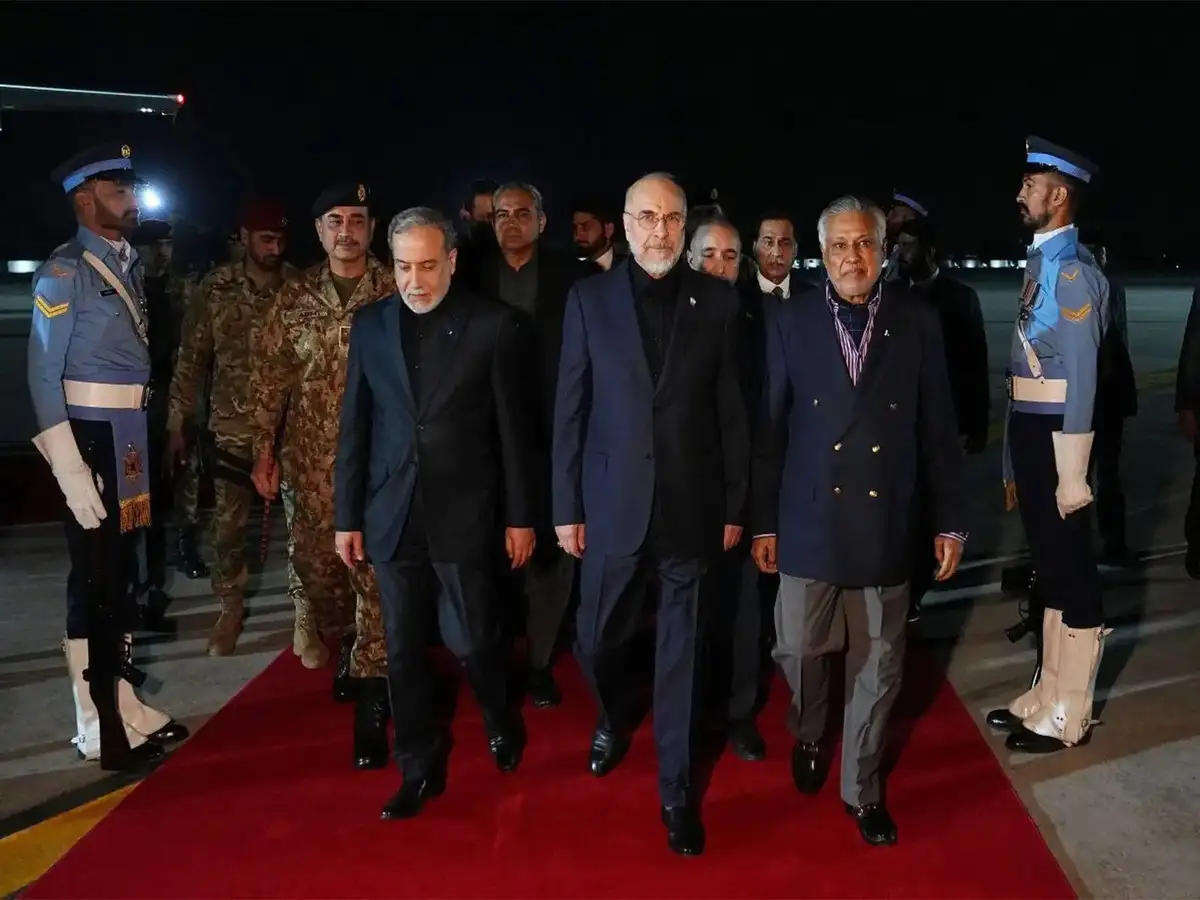
Iranian Delegation Touches Down for Crucial Talks
A high-level Iranian delegation has arrived in Islamabad ahead of what analysts describe as “make-or-break” negotiations with the United States, marking a pivotal moment in efforts to stabilise the Middle East following weeks of intense conflict.
The delegation, led by senior officials including Iran’s parliamentary speaker and foreign minister, is part of a broad diplomatic push to salvage a fragile ceasefire reached earlier in April.
Their arrival signals the beginning of the much-anticipated Islamabad Talks—a rare instance of direct high-level engagement between Tehran and Washington, widely seen as critical to preventing further escalation.
Backdrop of War and Ceasefire Fragility
The talks come in the aftermath of the 2026 Iran conflict, which erupted following coordinated strikes involving the United States and its allies, triggering a wider regional confrontation.
A temporary ceasefire brokered through Pakistani mediation has provided a narrow window for diplomacy, but the truce remains under strain amid continued tensions, particularly involving Israel and Hezbollah in Lebanon.
Global implications have also been significant. Iran’s disruption of the Strait of Hormuz—a critical oil transit route—has heightened fears of energy shortages and economic instability worldwide.
Iran’s Firm Preconditions
Despite agreeing to attend the talks, Iran has made it clear that negotiations will not proceed without key concessions.
Tehran is demanding the release of frozen financial assets, the easing of international sanctions, and recognition of its strategic interests, including control over the Strait of Hormuz.
These conditions highlight the deep mistrust between both sides and underscore the complexity of the negotiations, with each party seeking to secure maximum leverage before substantive discussions begin.
U.S. Stakes and Diplomatic Pressure
On the American side, the talks are being led by Vice President JD Vance, reflecting the high level of political importance attached to the negotiations.
The discussions represent the most significant direct engagement between the U.S. and Iran in decades, with Washington aiming to secure commitments on nuclear activities, regional security, and freedom of navigation in global shipping lanes.
However, U.S. officials have also warned against any “bad faith” tactics, signalling that patience may be limited if progress stalls.
Pakistan’s Strategic Mediation Role
Pakistan’s role as host and mediator has drawn international attention, with the country leveraging its diplomatic ties with both Iran and the United States to facilitate dialogue.
The choice of Islamabad as the venue reflects its strategic positioning and recent success in brokering the initial ceasefire agreement.
Security has been significantly heightened across the capital, with authorities taking extensive measures to ensure the safety of delegates and the integrity of the negotiations.
Global Stakes and Uncertain Outcomes
The outcome of the Islamabad talks is expected to have far-reaching implications—not only for regional stability but also for global energy markets and international diplomacy.
A successful agreement could lead to a more durable ceasefire, the reopening of critical shipping routes, and a reduction in geopolitical tensions.
Conversely, failure could trigger renewed hostilities, further destabilising the Middle East and exacerbating economic pressures worldwide.
For now, the arrival of the Iranian delegation marks the beginning of a delicate diplomatic process—one that carries both the promise of peace and the risk of deeper conflict.
