
Allies Balk At US Push To Reopen Strait Of Hormuz As Conflict Widens
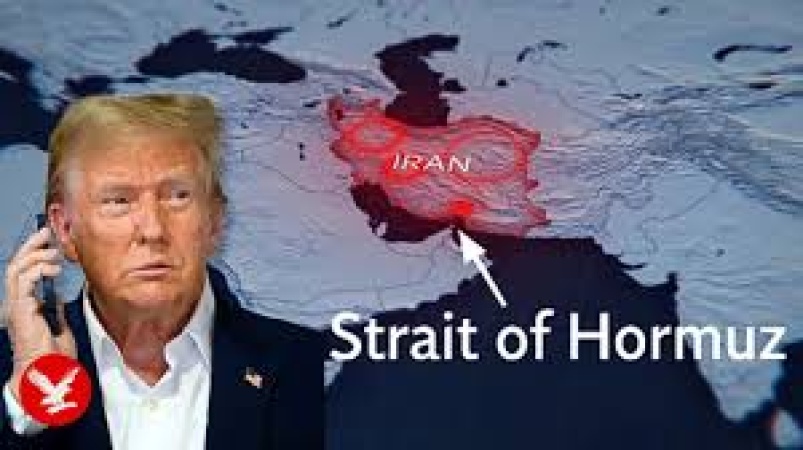
Allies Resist US Pressure on Military Deployment
KEY members of the North Atlantic Treaty Organization (NATO) and European allies have rejected calls by former US President Donald Trump to deploy warships to reopen the Strait of Hormuz, signalling deep divisions within the Western alliance over the escalating conflict involving Iran.
Trump had warned that NATO could face “a very bad future” if member states failed to support efforts to secure the critical shipping route, through which a significant portion of global oil supplies passes.

Germany Rules Out Military Role
Germany took the clearest stance against intervention. Chancellor Friedrich Merz said Berlin would not participate in any military effort, stressing that no joint decision had been taken on intervention.
While criticising Iran’s leadership, Merz cautioned against military escalation, arguing that past experience shows bombing campaigns are unlikely to deliver sustainable solutions.
Defence Minister Boris Pistorius questioned the rationale behind the US request, noting that a small European naval presence would add little to American military capacity in the region.

UK, Italy Push for Diplomacy
British Prime Minister Keir Starmer said the United Kingdom would not be drawn into a broader war, though he acknowledged the need to restore stability to global oil markets.
Starmer emphasised that any action must be coordinated multilaterally, involving as many international partners as possible.
Italy also rejected military expansion, with Foreign Minister Antonio Tajani insisting that diplomacy should take precedence. He expressed scepticism about extending existing EU naval missions, which are currently limited to anti-piracy operations.
EU Declines Expansion of Naval Mission
At a meeting of European foreign ministers, the European Union opted against expanding the mandate of its Red Sea mission, Operation Aspides, to include the Strait of Hormuz.
EU foreign policy chief Kaja Kallas said there was support for strengthening the mission but no agreement to broaden its scope.
Several European leaders also called for greater clarity on US and Israeli war objectives before committing to any involvement.

Global Reluctance and Rising Oil Prices
Countries including Australia, France, Japan and Greece similarly ruled out sending warships, highlighting the limited international appetite for deeper military engagement.
Meanwhile, oil prices surged amid fears of prolonged disruption to shipping routes, with the Strait of Hormuz handling roughly 20 per cent of global oil and liquefied natural gas flows.
Conflict Deepens Regional Instability
The reluctance of US allies comes as the conflict between the US, Israel and Iran enters a more volatile phase, with no clear end in sight.
Israel has signalled plans for continued military operations, while Iranian attacks on Gulf infrastructure have intensified, further threatening energy supplies and global economic stability.
