
Global Oil Shock Pushes PMS Prices Higher Across Nigeria
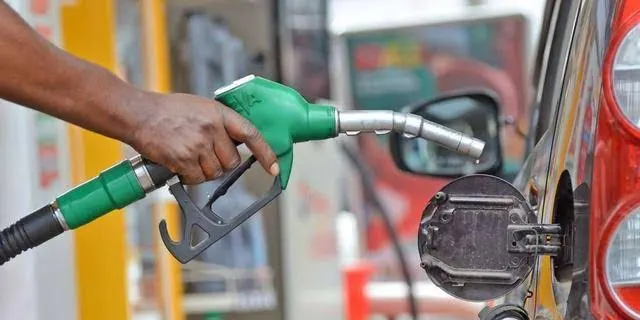
Pump Prices Rise in Major Cities
PETROL prices have surged across parts of Nigeria, with pump prices hitting ₦960 per litre in Abuja and ₦935 per litre in Lagos, following escalating tensions in the Middle East that have disrupted global oil markets.
The increase comes days after Dangote Refinery adjusted its ex-depot price by ₦100, raising the gantry rate from ₦774 to ₦874 per litre. Retail outlets swiftly responded by revising their pump prices upward.
In Abuja, retail stations operated by Nigerian National Petroleum Company Limited (NNPCL) increased prices from ₦875 to ₦960 per litre.
In Lagos, checks along Ogunnusi Road showed that while some NNPC stations were not dispensing fuel, independent marketers adjusted prices to reflect the new reality. A Bovas filling station, for instance, raised its pump price from ₦835 to ₦935 per litre.
Middle East Conflict Disrupts Oil Supply
The price spike follows intensified hostilities involving the United States, Israel and Iran, which have unsettled global energy markets.
Brent crude rose sharply, surpassing $80 per barrel and trading at about $84.2, amid fears of supply disruptions. Analysts warn that prices could climb further if tensions persist, particularly around the strategic Strait of Hormuz — a key global oil transit route.
While higher crude prices could translate into increased oil revenue for Nigeria, they also mean higher domestic fuel costs under the deregulated downstream regime, where pump prices are largely influenced by international oil prices and exchange rates.
Marketers Raise Alarm
The Petroleum Products Retail Outlets Owners Association of Nigeria (PETROAN) has expressed concern over the unfolding crisis, warning that Nigeria’s heavy reliance on imported refined petroleum products makes it vulnerable to external shocks.
In a statement signed by its National Public Relations Officer, Dr. Joseph Obele, and echoed by National President Dr. Billy Gillis-Harry, the association said instability in the Middle East could significantly disrupt Nigeria’s fuel market.
“With deregulation, any sustained rise in crude oil prices will inevitably reflect at the retail level,” Gillis-Harry said.
He warned that prolonged tensions could exert pressure on Nigeria’s foreign exchange reserves, raise transportation costs, and worsen inflation.
Call for Domestic Refining Boost
PETROAN urged the Federal Government to prioritise domestic refining capacity as a buffer against global volatility. The association called for consistent crude supply to local refineries and accelerated rehabilitation of Nigeria’s four state-owned refineries.
Marketers also advocated sustained implementation of the naira-for-crude policy to reduce reliance on foreign exchange for petroleum imports.
As geopolitical uncertainty lingers, consumers fear further increases in petrol prices, compounding economic pressures already facing households and businesses nationwide.
