
Tinubu Warns Nigerians: Stable Power Comes At A Price
By NJORIGE LYNUS & NINI NDUONOFIT-AKOH
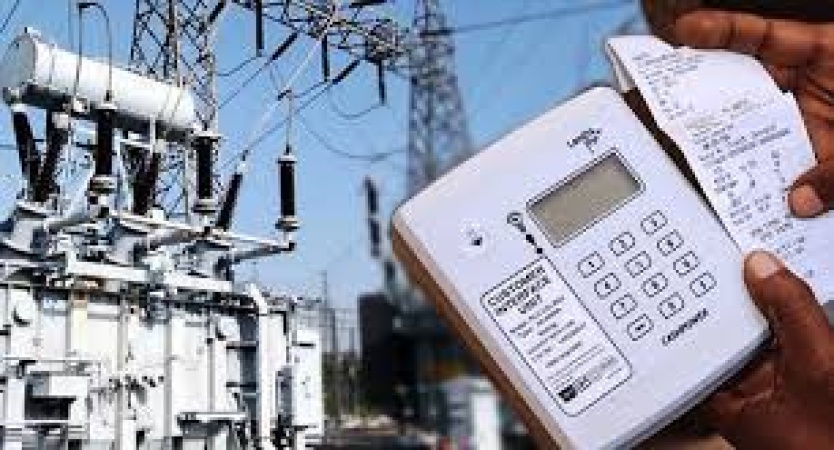
PRESIDENT Bola Tinubu has emphasized that Nigerians must be prepared to pay higher electricity tariffs if they want reliable and stable power, directing the Budget Office of the Federation to establish a transparent framework for sharing the cost of electricity subsidies.
Speaking during a training session for Ministries, Departments, and Agencies (MDAs) on 2026 post-budget planning, the Director-General of the Budget Office, Tanimu Yakubu, said the federal government can no longer shoulder electricity subsidies alone.
“If we want a stable power sector, we must pay for the choices we make. When tariffs are held below cost, a gap is created. That gap is a subsidy. And a subsidy is a bill,” Yakubu stated. He explained that subsidies must be explicitly tracked and funded across all levels of government to prevent arrears, hidden liabilities, or liquidity crises in the power market.
Under the new directive, any government-led affordability interventions must have clear, enforceable funding responsibilities. Yakubu said this ensures fairness, accountability, and efficiency while protecting vulnerable consumers.
Represented by Yusuf Muhammed, Director of Expenditure, Yakubu urged 2026 budget planners to make subsidy-related costs visible in their planning, consolidating commitments into a single, coherent framework. He described this as the “single-train” approach, designed to streamline execution, reduce fragmented project lists, and eliminate hidden obligations.
He further noted that rollover budgeting has weakened project execution, diluted accountability, and created hidden obligations. The 2026 budget aims to correct this by consolidating commitments into a disciplined delivery programme that aligns with the president’s directive.
The move signals a shift toward cost-reflective electricity tariffs and transparent subsidy management, reflecting the administration’s strategy to stabilize Nigeria’s power sector while promoting accountability across federal, state, and local governments.
