
Electoral Reforms Hang In Balance As 2027 Deadlines Approach
By NJORIGE LYNUS
Electoral Reforms Under Pressure
WITH less than a year to critical statutory deadlines, fears are growing that delays in amending Nigeria’s Electoral Act could jeopardise preparations for the 2027 general elections. The postponement of deliberations in the House of Representatives has intensified concerns that proposed reforms may not take effect in time, leaving INEC and political parties grappling with uncertainty.
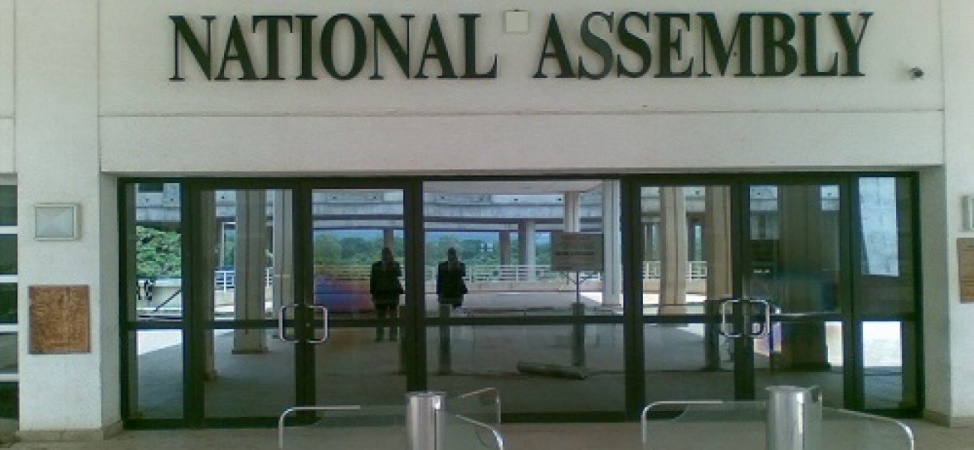
The anxiety follows the House’s decision to step down debate on the Electoral Act Amendment Bill, even as the Senate moves to fast-track its own legislative process.
INEC Faces Shrinking Time Window
The Electoral Act 2022 mandates INEC to issue election notices at least 360 days before polling. If the presidential election is held on 20 February 2027, the notice must be issued by late February 2026.
Electoral experts warn that this leaves little room for sweeping reforms to be implemented effectively. Without amendments enacted well before this deadline, INEC may be forced to operate under the existing framework, regardless of legislative intentions.
November 2026 Proposal Sparks Legal Debate
One of the most controversial proposals seeks to move presidential and gubernatorial elections to November 2026, about 185 days before the end of current tenures. While lawmakers argue this would allow disputes to be resolved before inauguration, critics point out that the existing notice requirement makes the timeline unworkable without immediate legislative action.
At a joint public hearing in October 2025, lawmakers defended the proposal as a means of stabilising the electoral process, but legal analysts caution that failure to amend the law promptly could invalidate the timetable.
Far-Reaching Amendments Proposed
The bill proposes extensive changes, including electronic transmission of results, early voting, diaspora voting, stricter controls on campaign finance, tougher penalties for electoral offences, and mandatory real-time uploads to INEC’s Result Viewing Portal.
It also seeks to reduce tribunal judgement timelines, regulate party primaries more tightly, and impose harsher sanctions for vote buying and delegate inducement.
Contrasting Legislative Paces
While the House deferred debate, the Senate constituted a seven-member ad hoc committee to harmonise contributions to the bill. Senate President Godswill Akpabio said the committee had 48 hours to submit its report, signalling an attempt to accelerate the process.
Observers note that the disparity in legislative pace between the two chambers could further complicate harmonisation and final passage.
Political and Civil Society Concerns
The African Democratic Congress accused the APC-led National Assembly of deliberately stalling the bill, alleging that delays could weaken safeguards against electoral malpractice. Civil society organisations echoed the concern, warning that late reforms undermine effective implementation.
Legal experts caution that rushed or late amendments could trigger litigation, while INEC has consistently emphasised the need for early legal certainty to ensure credible elections.
As pressure mounts, stakeholders insist that only swift, transparent and bipartisan action can avert disruption and restore confidence ahead of the 2027 polls.
