
Separatist Leaders Seek UN-Backed Referendum On Nigeria’s Future
Separatist Groups Announce Joint Platform
YORUBA and Igbo self-determination movements have announced a joint alliance to pursue what they describe as the peaceful de-amalgamation of Nigeria. The coalition, known as the Coalition to De-Amalgamate Nigeria for Security (CODES), says the country’s current structure has failed to guarantee safety, justice, and mutual trust among its constituent peoples.
The announcement was made at the conclusion of a virtual world conference and press briefing attended by international media.
Criticism of Governance and Security
In its communique, CODES accused successive Nigerian governments of presiding over worsening insecurity while failing to hold perpetrators accountable. The coalition alleged that mass violence, displacement and selective justice have become entrenched, leaving many communities vulnerable.
According to the group, the inability of the state to protect citizens has transformed insecurity into an existential crisis, undermining public confidence and national cohesion.
Leadership and Representation
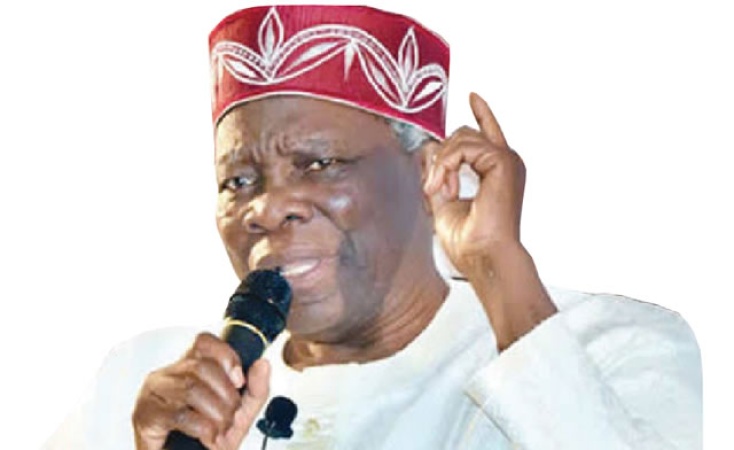
The alliance brings together influential figures from both ethnic movements. Yoruba leaders include Prof. Banji Akintoye and Chief Sunday Igboho, while Igbo representation comes from senior figures associated with IPOB and related advocacy networks.
CODES said the alliance remains open to other indigenous nationalities seeking peaceful self-determination.
Colonial Roots and Structural Grievances
The coalition linked Nigeria’s present instability to its colonial origins, arguing that the 1914 amalgamation was imposed without popular consent. It maintained that post-independence governance failed to address these foundational flaws, instead deepening centralised control and political exclusion.
CODES argued that a state founded without consent cannot indefinitely survive without legitimacy.
International Law and Demands
Citing international human rights instruments, the coalition insisted that peaceful self-determination is lawful and internationally recognised. It called for UN-supervised referendums, the release of detained activists, and protection for communities affected by violence.
The group warned that ignoring calls for peaceful restructuring or separation could push Nigeria toward deeper instability with humanitarian implications beyond its borders.
