
Slumping Leaders, Shaken Nation: The Urgency Of Prevention
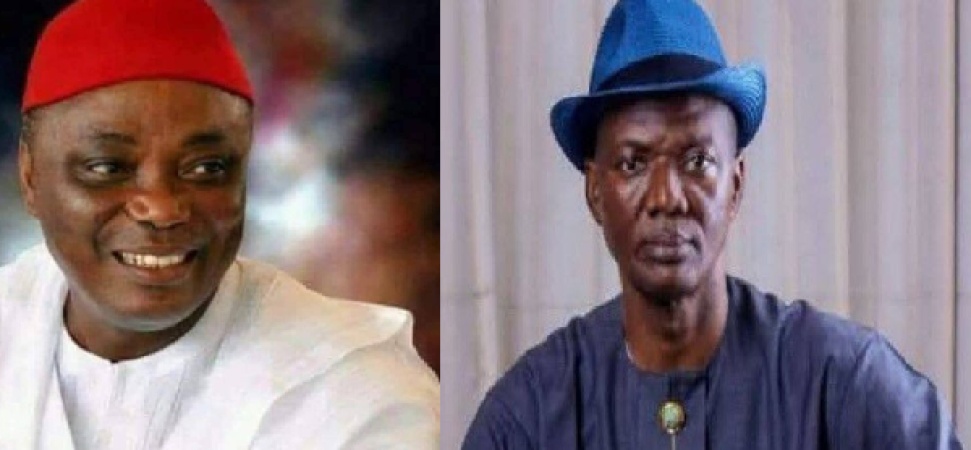
THE deaths of Ewhrudjakpo and Nwaoboshi have done more than inspire glowing tributes—they have forced national introspection on preventive healthcare, stress exposure, and emergency readiness among public officials. Both leaders were mourned across party lines and regional borders, described by colleagues and constituents as committed public servants. Their sudden collapse, however, has triggered more than grief—it has triggered analysis.
Experts identify a common thread across many high-profile sudden deaths in Nigeria: late detection. Okeke argued that frequent outward appearances of fitness often conceal chronic internal conditions, especially among leaders juggling governance burdens without structured health monitoring. Lawal warned that dismissing early symptoms is not merely an individual risk—it has national consequences, fueling speculation, distrust, and fear each time a public figure dies without medical context.
Policy analysts now argue that preventive health must be reframed as a matter of national stability, institutional continuity, and public modelling, rather than personal choice alone. Emergency medicine experts maintain that improved rapid-response units inside government offices could drastically change survival outcomes. Civil society leaders also caution that public messaging should avoid turning sudden deaths into religious or political conspiracy debates, stressing that the real crisis is health unawareness and weak preventive systems, not the identities of those affected. The deaths of these leaders underscore a lesson Nigeria continues to learn the hard way: prevention is not optional, it is existential.
