
US Strikes In Sokoto: A Security Win Or A Sovereignty Breach?
Institutional & Legality Focus
The Night the Forest Lit Up
LATE on Christmas night, rural Sokoto was jolted awake. Between 12:12 a.m. and 1:30 a.m. on Friday, US-operated MQ-9 Reaper drones deployed 16 GPS-guided precision munitions at ISIS enclaves in the Bauni forest axis, Tangaza LGA, in a coordinated Nigeria–US military offensive. The federal government maintains the strikes were authorised by President Bola Tinubu and executed under the supervision of Nigeria’s defence command.
However, for many residents of Jabo District, Tambuwal LGA, the blasts felt anything but “precision.” Panic spread through a community locals describe as one of the safest in the North-West, historically troubled more by banditry and kidnapping for ransom than ideological insurgency.
Debris in Kwara, Doubts in Sokoto
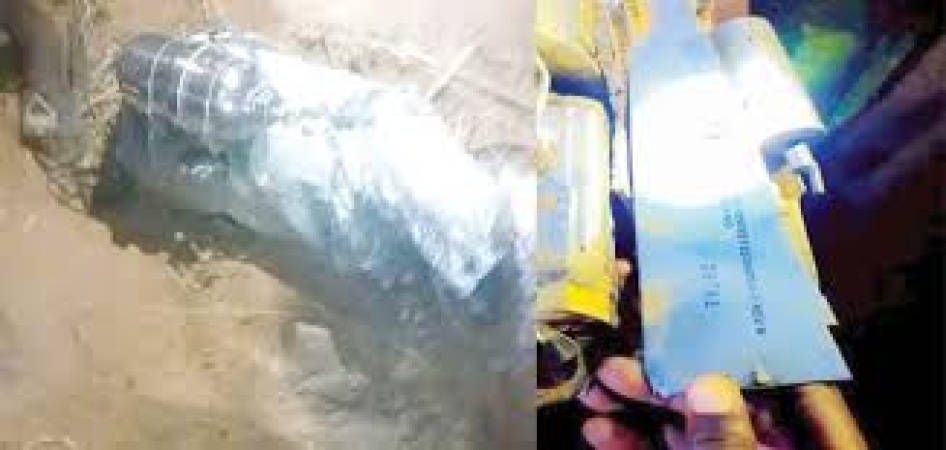
Explosions were not limited to Sokoto. Offa town in Kwara State, over 600 km away, reported a major ordnance-related incident that injured five people and destroyed multiple buildings, including McCarthy House, two hotels and residential compounds. The federal government later confirmed the explosions in Offa and Jabo were caused by falling debris from expended strike munitions, not fresh attacks or aircraft crashes.
No fatalities were recorded, but confusion over target validity and legal authority continues to swirl.
What the Constitution Says vs What Happened
Senior legal voices argue the collaboration was not subjected to National Assembly debate or ratification prior to execution. Prof. Abdullahi Shehu Zuru (SAN) called the strike a potential violation of the UN Charter and Nigeria’s constitutional safeguards, asserting neither the US nor the Nigerian presidency secured legislative authorisation for kinetic action on Nigerian territory.
Others disagree. Constitutional lawyer Daniel Bulluson argues that under Section 14(2)(b) of the 1999 Constitution, the government has the prerogative to act first in protecting citizens, then seek legislative ratification afterward — a “fire-first, explain-later” principle permissible in counter-terror operations when civilian lives are at stake.
Regulators for Oil, Regulators for War
Security experts go beyond law to question symbolism. Why Sokoto — the historic seat of the caliphate — and not Borno or Yobe, where insurgency groups including Boko Haram have deeper roots?
Counter-terror analyst Abdullahi Garba framed the strike as a harsh indictment: “This implies we are not capable of governing ourselves as a sovereign nation.”
Risk Beyond the Crater
Public safety advocates warn of another blind spot: civilian handling of debris. Analyst Tunde Adebayo cautioned that spent missile casings may carry toxic residues capable of chemical burns or respiratory failure — a risk amplified by circulating images of children and youths picking up fragments as souvenirs.
Editorial Verdict
Nigeria achieved a tactical counter-terror success, but strategic legitimacy is fractured. Precision munitions may neutralise militants, but without legal precision, political consensus, and post-strike accountability, national confidence remains collateral damage.
