
“We’ve Never Had ISIS Here” — Sokoto Locals Question US Strike Narrative
Intelligence Narrative, Public Perception, and Governance Gaps
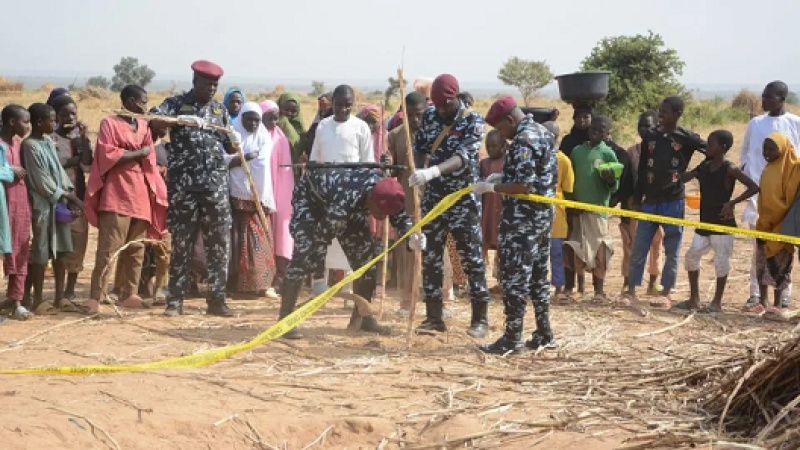
Shock in a Farming Community
IN the aftermath of a U.S. airstrike intended for terrorist hideouts, the quiet village of Jabo has become an unexpected epicenter of fear, speculation, and public mistrust.
Eyewitnesses described a projectile that flew overhead, exploded in farmland, and shook homes. The lack of casualties has not eased anxiety, as villagers argue they have never recorded extremist presence in their area.
The ISIS Label Nigerians Never Saw Coming
Trump’s messaging has fueled skepticism, as locals question how their community became part of a strike narrative involving ISIS — a group never publicly linked to Jabo, though northern Nigeria battles banditry, kidnapping, and Lakurawa insurgent cells in nearby forest belts.
Nigeria vs. U.S. Security Framing
While Nigeria’s government framed the strike as counter-extremism operations aligned with international law, Trump’s statement introduced a religious dimension, reigniting concerns that foreign rhetoric could inflame identity fault lines in a multi-religious nation already under pressure.
Analysts: Violence Is Governance-Driven, Not Airstrike-Driven
Security expert Nnamdi Obasi of the International Crisis Group argued that air power may degrade militant capacity but cannot resolve root causes, which include:
-
Weak governance
-
Overstretched military capacity
-
Communal land conflicts
-
Farmer-herder resource competition
-
Ethnic rivalries
-
Poor local security infrastructure
“Strikes are unlikely to halt violence driven by governance failures,” he said.
Key Takeaway
The incident exposes Nigeria’s broader challenge: intelligence coordination is improving, but narrative coordination is not — and in security operations, public trust is as important as tactical success.
