
Clearing The Chaos: FRSC Ends Lokoja Traffic Nightmare
A Festive Bottleneck Turns Critical
FOR days, the Lokoja axis of the Abuja–Lokoja–Benin highway descended into near paralysis as thousands of vehicles crawled—or stood still—during the peak of yuletide travel. Broken-down articulated trucks, surging festive traffic and widespread lane indiscipline combined to create one of the worst gridlocks seen in recent years along the strategic corridor linking northern and southern Nigeria.
The congestion reached a breaking point around Koton-Karfi–Murtala Bridge, Banda and the Lokoja highway, prompting urgent intervention by the Federal Road Safety Corps.
Leadership at the Frontline
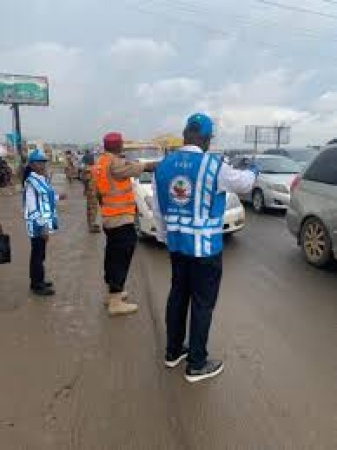
On Tuesday, the FRSC Corps Marshal, Malam Shehu Mohammed, led a high-level on-the-spot assessment of the gridlock alongside the Kogi State Commissioner of Police and the FRSC Sector Commander. The visit, according to Mohammed, was not ceremonial but tactical—aimed at restoring traffic flow and boosting the morale of personnel who had been battling the congestion for days.
He confirmed that two articulated vehicles obstructing the road had been removed, while additional personnel and logistics were deployed to the area. “As you can see, traffic is now moving, though slowly,” Mohammed said, noting that the intervention had yielded visible results.
The Real Cause: Trucks and Indiscipline
Beyond festive traffic volumes, Mohammed identified broken-down heavy-duty trucks as the primary trigger of the gridlock. These vehicles, often abandoned on key sections of the road, narrowed available lanes and created choke points that spiralled into hours-long delays.
Equally damaging, security officials said, was motorists’ disregard for lane discipline. Vehicles driving against traffic and blocking exit lanes compounded the congestion, turning manageable traffic into gridlock.
Interagency Coordination Saves the Day
The breakthrough came through sustained collaboration between the FRSC, the Nigeria Police and other security agencies. According to Kogi State Commissioner of Police, Naziru Kankarofi, the coordinated approach after three days of congestion finally restored vehicular movement.
He said the presence of the FRSC Corps Marshal strengthened morale and reinforced operational discipline. “What worsened the problem was impatience and refusal to respect lanes,” Kankarofi noted, adding that once order was restored, traffic began to normalise.
Sacrifice Behind the Scenes
Mohammed paid tribute to FRSC officers and other personnel who spent three to four days on the road, some sleeping at the scene, to clear the congestion. He assured motorists that intensified operations would continue until full normalcy returned, while urging drivers—especially operators of articulated vehicles—to obey traffic rules.
