
2027 Elections May Hold Earlier As Lawmakers Weigh Ramadan Concerns
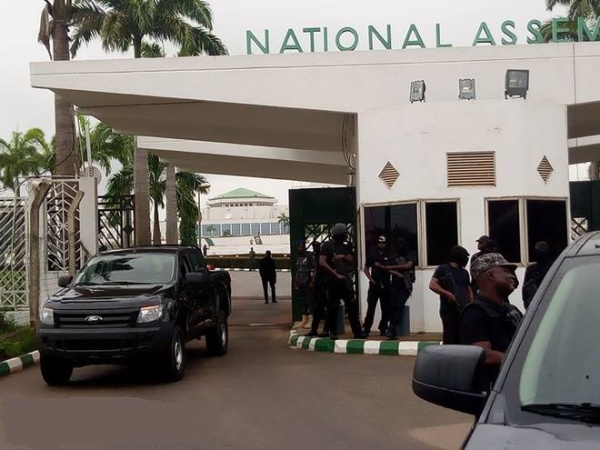
National Assembly, INEC Agree on Proposed January Shift for 2027 Polls
STRONG indications have emerged that the Independent National Electoral Commission and the National Assembly of Nigeria have reached a consensus to move the 2027 presidential election to 16 January 2027, in a major revision of the previously announced 20th February date.
Multiple sources within both institutions confirmed that governorship elections may also be brought forward to 30 January 2027 instead of the earlier 6th March schedule.
The proposed adjustment is expected to top deliberations as lawmakers reconvene for an emergency plenary session after suspending ongoing harmonisation of the Electoral Act (Amendment) Bill.
Ramadan Controversy Triggers Reconsideration
INEC had initially fixed 20 February 2027 for presidential and National Assembly elections, with governorship and state assembly polls slated for 6 March.
However, the 20th February date sparked criticism from Muslim groups and political stakeholders because it falls within the projected Ramadan period — 7 February to 8 March 2027.
The debate quickly expanded beyond logistics, raising broader questions about inclusivity and voter participation in a multi-religious society.
Former Vice President Atiku Abubakar publicly urged a review, noting that Ramadan is a sacred season of fasting and spiritual devotion for millions of Nigerian Muslims.
Similarly, former presidential aide Bashir Ahmad argued that holding elections during fasting could affect turnout and engagement, particularly in northern states.
Earlier discussions had reportedly considered 13 February as a compromise date, but fresh consultations appear to have produced a more sweeping option — shifting the elections into January altogether.
Emergency Plenary Convened
The legislature announced an abrupt resumption of plenary, cutting short its recess.
In a notice signed by Clerk to the National Assembly, Kamoru Ogunlana, senators and members of the House were directed to reconvene at 11:00 a.m. for what insiders described as “very crucial decisions.”
Although the official agenda was not disclosed, lawmakers privately confirmed that reconsideration of the 2027 election timetable is the primary focus.
A senior senator described the January proposal as “currently on the table,” though he cautioned that final approval would depend on floor debate.
Electoral Act Harmonisation Suspended
The conference committee of both chambers, which had been meeting to harmonise differences in the Electoral Act Amendment Bill, has temporarily suspended its work.
Among the contentious issues awaiting reconciliation are electronic transmission of results and timelines for election dispute resolution.
One lawmaker confirmed that discussions on the amendment bill would resume only after the plenary addresses the politically sensitive question of election dates.
Technology Debate and Infrastructure Concerns
The controversy over dates follows heated debates on electronic transmission of results.
Last week, the Senate approved electronic transmission to INEC’s Result Viewing Portal but stopped short of making real-time uploads mandatory, retaining manual collation as a fallback.
Senate Leader Opeyemi Bamidele defended the position, citing infrastructural limitations in power supply and digital connectivity.
He noted that while Nigeria’s electricity generation capacity stands between 12,000 and 13,500 megawatts, effective distribution remains significantly lower — a gap he said affects the feasibility of mandatory real-time uploads nationwide.
Political and Administrative Implications
If ratified, the 16th January date would make the 2027 presidential election one of the earliest in Nigeria’s Fourth Republic.
Campaign schedules would be compressed, party primaries moved forward, and INEC would need to recalibrate procurement, logistics and training plans.
Analysts suggest the adjustment could boost participation among Muslim voters and reduce the risk of low turnout in fasting communities.
However, the tighter timeline may also test INEC’s administrative capacity and political parties’ readiness.
Beyond the immediate date shift, lawmakers are also considering reforms aimed at concluding election petitions before the 29th May 2027 inauguration — a move intended to reduce post-election uncertainty.
As plenary resumes under extraordinary circumstances, religious sensitivities, technological debates and constitutional requirements are converging to reshape Nigeria’s 2027 electoral roadmap.
